
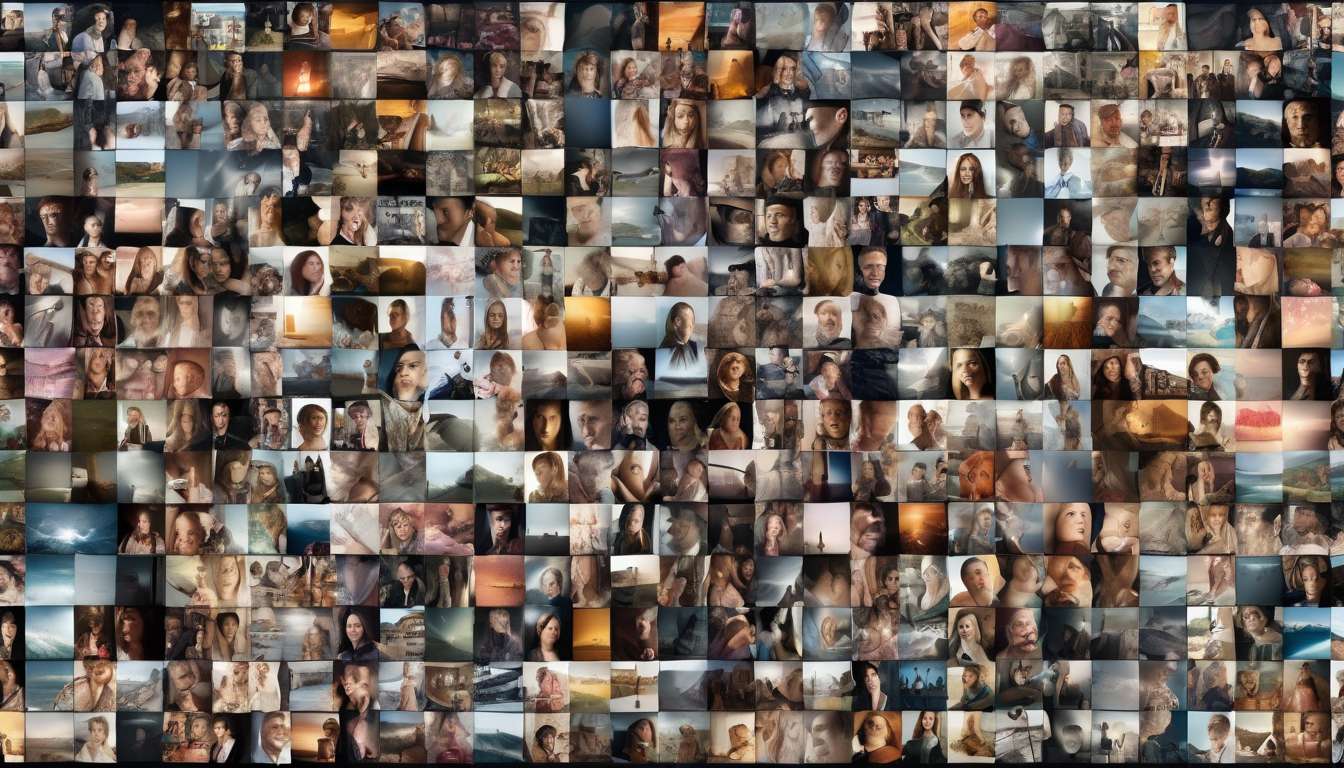
Just as users scroll for the perfect frame, recommendation systems quietly shape which photographs gain visibility, credibility, and emotional weight.
We rely on algorithms to surface images that resonate, yet those same systems filter context, prioritize engagement, and can amplify specific styles or creators while marginalizing others.
- This selective visibility doesn’t just influence what we see — it influences whom we trust, which visual narratives become authoritative, and how platforms define photographic value.
As practitioners, curators, and observers, we must examine how design choices, feedback loops, and opaque ranking criteria create trust asymmetries between creators and audiences.
- Design choices determine which signals are amplified.
- Feedback loops (e.g., engagement driving more exposure) can entrench winners.
- Opaque ranking makes it hard for creators to understand or contest outcomes.
We also need to consider the consequences for diversity, authenticity, and the long-term health of photographic communities when algorithms favor sensationalism over nuance.
- Homogenization of style and subject matter.
- Incentives for click-driven sensational content.
- Marginalization of less commercial or experimental practices.
By diagnosing this problem, we can move beyond passive acceptance and toward transparency, accountability, and design interventions that rebuild equitable trust in photography platforms.
- Possible interventions:
- Explainable ranking signals and creator-facing feedback.
- Diversity-aware objective functions or exposure guarantees.
- Audit trails and third-party evaluations of recommendation outcomes.
- UI affordances that surface context and provenance.
Addressing these issues restores agency to creators and audiences, helping platforms promote photographic value that is plural, trustworthy, and resilient.
Algorithmic Visibility Dynamics
We’ll examine how recommendation algorithms shape which photos users see, who gains visibility, and how those patterns affect trust and community dynamics.
Algorithmic transparency matters.
- When platforms explain why certain images surface, users feel included rather than sidelined.
- Systems should reveal criteria without exposing gaming vectors, so people can learn and participate confidently.
Creator incentives shape content.
- When rewards favor clicks and shares, creators prioritize attention-grabbing work over nuanced contributions.
- Newcomers can struggle to find footing under incentive structures that reward already-popular formats.
Engagement bias is a central mechanism that funnels visibility toward already-popular accounts.
- This bias can hollow out diversity and make some voices feel excluded.
- Left unchecked, it reinforces popularity rather than merit or representational breadth.
To sustain belonging, platforms should:
- Provide clearer signals about ranking factors.
- Design fairer incentive structures that value varied contributions.
- Mitigate engagement bias by deliberately surfacing underexposed creators.
Doing these things helps rebuild trust, broaden community representation, and ensure the platform reflects more of who we are.
Engagement and Trust Feedback
Every time users interact with photos, the platform learns what to show next, and that feedback loop directly shapes whether people trust the system and keep contributing.
Visible rewards — likes, shares, placements — create creator incentives that tie participation to algorithmic outcomes.
When people feel they’re part of a fair system, they stick around; when signals feel manipulated, trust erodes.
To support belonging, we prioritize clear communication about why content surfaces and push for algorithmic transparency so contributors understand the rules that shape visibility.
We also confront engagement bias: popular styles amplify themselves, sidelining diverse voices.
That bias can make newcomers feel unseen and veterans question whether merit or mechanics drive success.
We can reduce harm by:
- Adjusting reward structures — explore alternative metrics and dampen runaway popularity effects.
- Offering alternative discovery channels — surface content through curated, category-based, or interest-driven pathways.
- Publishing digestible explanations of ranking logic — provide clear, user-facing descriptions of factors that influence visibility.
Those steps help creators feel valued and give the community shared norms, so trust grows alongside richer, more inclusive photographic expression.
Ranking Opacity Effects
When platforms hide how they rank photos, we lose the shared sense of why certain images rise while others stay invisible.
We feel excluded when ranking opacity prevents us from understanding the rules that shape visibility. Lack of algorithmic transparency erodes trust because creators can’t see whether their work is judged by quality, popularity, or opaque heuristics. Without clear signals, creator incentives skew toward chasing opaque metrics rather than community values.
We can rebuild belonging by demanding transparency that’s understandable, not technical. This means:
- Explaining ranking factors in plain language.
- Giving creators feedback on performance drivers.
- Surfacing how engagement bias affects distribution.
When platforms disclose how interactions influence exposure, creators can align their practices with shared norms and support diverse voices. Simple dashboard indicators, clear policies, and predictable rules reduce anxiety and foster cooperation.
By improving clarity around ranking, we make space for mutual respect and purposeful participation, restoring trust between creators, audiences, and the platforms that host their work.
Style Homogenization Risks
Problem: reward for narrow visual styles leads to mimicry and shrinking communities.
Too often we end up rewarding a narrow set of visual styles, and that pressure pushes creators to copy trends instead of exploring unique voices.
We see communities shrink when algorithmic transparency is low and everyone chases the same thumbnails, filters, and compositions to gain visibility.
If platforms don’t reveal how engagement bias shapes feeds, creators feel forced into mimicry to survive, eroding the sense of belonging that drew us together.
Solution: change incentives and increase transparency.
We can change incentives: redesign creator incentives to reward originality, diversity, and slow-burn work, not just instant metrics.
We should push for clearer feedback loops so creators understand why certain images surface and which behaviors the system amplifies.
By demanding algorithmic transparency and by shifting incentives away from raw engagement bias, we protect plural aesthetics and keep community members feeling seen.
Call to action: insist platforms value varied voices.
Together, we can insist platforms value varied voices, so belonging grows from genuine expression rather than conformity.
Creator Experience Gaps
Many creators tell us that platform tools and guidance don’t match their needs, leaving gaps between what they want to make and what the system actually supports.
We see creators frustrated when algorithmic transparency is limited: they can’t learn why certain photos are surfaced or how to improve without guessing. That uncertainty erodes confidence and a sense of belonging, because creators feel excluded from the decision processes shaping discovery.
We advocate clearer signals about how content is evaluated and how creator incentives work, so community members can align effort with outcomes without gaming the system.
We also call out engagement bias that privileges a narrow set of formats or subjects; when likes and shares drive visibility, diverse voices get marginalized.
By opening feedback loops, offering actionable guidance, and adjusting incentives to reward craft and context alongside raw engagement, we can help creators feel seen, supported, and invested in platform fairness.
-
Suggested actions:
- Provide transparent explanations for ranking and surfacing decisions, including examples and common pitfalls.
- Offer detailed, actionable feedback to creators on why specific content performed as it did.
- Rebalance incentives to reward quality, context, and diversity in addition to engagement.
- Monitor and mitigate format- or subject-based engagement biases through testing and policy adjustments.
-
Expected outcomes:
-
Increased creator trust and sense of belonging.
-
Better alignment between creator effort and desired outcomes.
-
Broader representation of voices and formats on the platform.
Evidence and Provenance Signals
We need clear, machine-readable signals that show where a photo came from, how it was edited, and what evidence supports any claims tied to it.
Standardized provenance metadata should include:
- timestamps,
- device identifiers,
- edit histories,
- source citations.
When recommendation systems surface images, algorithmic transparency about which signals influenced ranking makes provenance meaningful rather than performative.
Creator incentives shape what people share and how they document context.
If incentives reward sensational, unexplained content, provenance will be neglected.
Conversely, rewarding well-documented work encourages thorough evidence tagging.
We must address engagement bias that amplifies content lacking provenance simply because it attracts clicks; otherwise, trust erodes for creators and viewers alike.
By building interoperable, verifiable evidence signals and aligning incentives toward documentation, we’ll create a community where creators are respected and viewers can rely on clear, auditable provenance without feeling excluded.
Design Interventions for Fairness
We’ll prioritize design interventions that reduce unfair amplification and make fairness trade-offs visible and contestable.
We’ll surface algorithmic transparency by:
- Explaining why particular images appear.
- Showing which signals influenced ranking.
- Offering simple controls so communities can contest outcomes.
We’ll design defaults that dampen engagement bias — preventing sensational or homogeneous content from crowding out diverse voices.
We’ll align creator incentives with community well-being by rewarding behaviors that foster belonging:
- Thoughtful captions.
- Inclusive subjects.
- Participation in moderation.
We won’t reward raw click metrics; instead, we’ll provide clear feedback loops so creators see how choices affect reach and can opt into alternative promotion modes that favor variety over virality.
We’ll monitor interactive discovery features (e.g., autoplay, infinite scroll) and introduce friction or rotation to protect minority creators.
We’ll center participatory design by inviting photographers and viewers to co-create fairness criteria and to vote on trade-offs.
Together, these interventions help rebuild trust while honoring creative diversity.
Auditing and Accountability Methods
We’ll establish regular, independent audits and clear accountability channels to detect harms, measure fairness outcomes, and ensure platforms act on findings.
We’ll invite community representatives, creators, and researchers to co-design audit scopes so algorithmic transparency isn’t abstract — it’s meaningful to people who rely on the platform.
We’ll report on metrics that matter to our community, including:
- distributional reach
- creator incentives alignment
- indicators of engagement bias that can skew whose work is seen
We’ll publish findings in accessible formats and hold quarterly review sessions where creators and users can question results and propose remedies.
We’ll require platforms to map decision points that affect visibility and to document changes, so responsibility is traceable.
We’ll set remediation timelines and monitor compliance, elevating unresolved harms to independent oversight.
We’ll fund capacity-building so smaller creators can participate in audits and advocate for fairer outcomes.
By centering inclusion and practical fixes, we’ll create accountability practices that build trust and strengthen the community around photography platforms.
How do recommendation systems affect the mental health of photographers who constantly adapt their work to please algorithms?
We’re worried about how constantly reshaping our work to please algorithms strains our mental health.
We feel pressure to conform, which can erode creativity and self-worth.
We’re anxious about fickle visibility that ties validation to metrics.
We’re burned out from chasing trends, isolated when our authentic work underperforms, and cynical about platforms.
We need supportive communities, clearer feedback, and healthier boundaries so we can create without losing ourselves.
What legal rights do photographers have if recommendations systematically suppress their work on a platform?
We’re asking what legal rights photographers have when recommendations systematically suppress their work on a platform.
Possible legal bases:
-
Contract rights under the platform’s terms of service.
- If the platform’s terms or creator agreements include promises about visibility, promotion, ranking, or treatment, photographers may have contractual claims.
- Breach of contract can be asserted if those promises are broken or the platform’s conduct contradicts express contractual commitments.
-
Statutory claims such as anti-discrimination or unfair competition laws (jurisdiction dependent).
- In some jurisdictions, targeted suppression that discriminates against a protected class could violate anti-discrimination statutes.
- Unfair or deceptive trade practices and unfair competition laws may provide remedies where the platform’s conduct harms creators’ businesses.
-
Emerging algorithmic accountability and transparency rules.
- New laws and regulations in some regions require platforms to provide transparency, explanations, or impact assessments for automated recommendation systems.
- Photographers may be able to demand explanation or remediation under those rules.
Remedies to pursue:
- Transparency and explanation — seek information about why the algorithm suppressed content.
- Remediation — demand changes to the algorithmic process, reinstatement of visibility, or adjustments to how content is ranked.
- Monetary damages or injunctive relief — pursue compensation for lost revenue or seek court orders to stop wrongful suppression.
- Collective action — consider class actions or collective litigation where many creators are affected.
Next steps and practical approach:
- Review the platform’s terms of service, creator agreements, and any published content-moderation or recommendation policies.
- Gather evidence of systematic suppression (analytics, screenshots, timestamps, communications, patterns across accounts).
- Check applicable laws in the relevant jurisdiction(s) for discrimination, unfair competition, consumer protection, and algorithmic transparency requirements.
- Consult a lawyer experienced in tech/platform law and collective litigation to evaluate claims and coordinate collective action if appropriate.
We’ll consult a lawyer to act together.
Can recommendation systems unintentionally promote the spread of manipulated or deepfake images, and how can users spot them?
We worry that recommendation systems can unintentionally amplify manipulated or deepfake images by prioritizing engagement over accuracy, spreading them quickly.
We can spot fakes by checking inconsistencies in lighting, reflections, or odd facial features; reversing image searches; verifying sources and metadata; and trusting reputable accounts.
- Check for inconsistent lighting, unnatural reflections, or distorted facial features.
- Do a reverse image search to find original versions or earlier instances.
- Verify the source and metadata (when available) to confirm origin and editing history.
- Prefer information from reputable accounts and verified sources.
We should question sensational content, use forensic tools when unsure, and report suspected fakes so platforms can adjust algorithms and reduce further spread.
- Question sensational or emotionally charged posts before sharing.
- Use image-forensics tools (error level analysis, deepfake detectors, etc.) when in doubt.
- Report suspected manipulated media to the platform so moderation and algorithmic signals can limit amplification.
Conclusion
You’ve seen how recommendation systems shape what people see, engage with, and trust on photography platforms.
When algorithms favor certain styles or obscure ranking logic, they erode creator confidence and viewer trust.
You can push for transparency, provenance signals, and fairness-oriented design to reduce homogenization and close creator experience gaps.
Regular audits and accountability measures let you hold platforms accountable and rebuild a diverse, trustworthy visual ecosystem where creators and viewers both benefit.